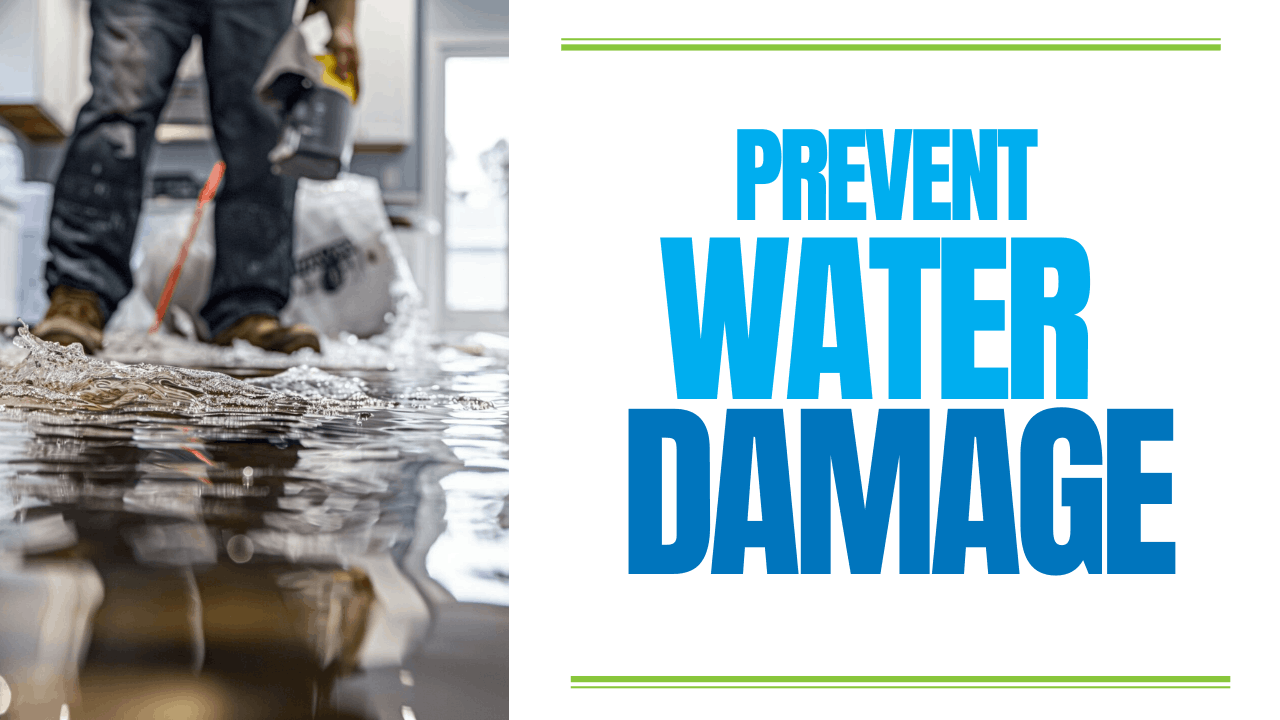
Are you worried about water and the damage it can do to your rental property?
There’s no need to stress about it, but a general concern is healthy, and so is awareness. And taking preventative measures to avoid water damage is smart.
For rental property owners in Santa Cruz County, where winter rains, coastal moisture, and aging infrastructure can cause real problems, protecting your investment from water damage is essential.
Why is Water Damage a Big Deal?
There’s a lot of risk in owning a rental property in California. Water is one of the greatest risks. Here’s why:
- Repair costs. Even a small leak can lead to thousands of dollars of repairs in drywall, flooring, and mold remediation expenses.
- Health risks. Mold growth is a common consequence of unchecked water problems, triggering allergies and respiratory issues.
- Legal liability. Under California law, landlords must provide habitable housing. Persistent leaks, flooding, or mold can result in tenant claims or lawsuits.
- Property value. Water intrusion can compromise foundations, rot wood framing, and devalue your investment.
In our part of the state, where we deal with a damp climate, ignoring water issues isn’t an option.
Maintain the Roof and Gutters
Heavy rains are a pretty standard
part of winter here, and the roof on your rental property is the first line of defense.
- Annual inspections. Look for missing shingles, cracked flashing, or sagging areas. Schedule repairs before the rainy season begins.
- Gutter cleaning. Redwood needles and oak leaves clog gutters quickly. Clean them in late fall and midwinter to keep water flowing away from the house.
- Downspouts. Extend them at least five feet from the foundation to prevent pooling.
If your property is in a wooded neighborhood, consider installing gutter guards to reduce debris buildup.
Inspect Windows, Doors, and Siding
Driving coastal rain and salty fog can seep into weak points. Check caulking and seals. You may need to re-caulk windows and doors where gaps allow water in. If your siding needs to be repaired, do it before the rainy season is upon us. Cracks, warping, or peeling paint can expose wood to moisture. Our tip for avoiding water damage is to
upgrade materials when you can. Fiber cement siding or vinyl trim resists water damage better than wood in the long run.
Sealed windows and doors not only keep water out but also reduce drafts, improving tenant comfort and energy efficiency.
Safeguard the Foundation and Drainage
Flooding and soil saturation are recurring issues in Santa Cruz County during atmospheric river storms. Owners can grade the soil, ensuring that landscaping slopes away from the house. French drains and sump pumps are popular among homeowners, and if you have a basement, check it frequently for dampness or musty smells. These are early indicators of seepage.
Monitor Plumbing Systems
It’s not just water from outside of the home that can be problematic. Leaks inside the home often go unnoticed until significant damage occurs.
- Annual plumbing inspections. Have a licensed plumber check pipes, joints, and water pressure.
- Replace old piping. Galvanized pipes common in older Santa Cruz homes are prone to corrosion and leaks.
- Install water shutoff devices. Smart leak detectors can automatically cut water supply in case of a major leak.
Encourage tenants to report slow drips or running toilets early. They may seem minor but can lead to major water bills and hidden damage.
Maintain Appliances and Fixtures
Appliances are a common source of water damage in rental properties. During inspections and turnovers, check hoses and connections. You’ll want to inspect washing machines, dishwashers, and refrigerators with ice makers annually. Replace rubber hoses with braided stainless steel. Drain and flush water heaters annually to reduce sediment buildup. Replace units nearing the end of their 10 or 12-year lifespan.
Bathroom caulking will protect you from water damage, too. Reseal around tubs, showers, and sinks to prevent leaks into walls and flooring.
Address Mold and Moisture Early
Humidity makes mold growth a frequent issue. These are the things that can help:
- Ventilation. Ensure bathrooms and kitchens have functional exhaust fans.
- Dehumidifiers. In damp units, provide portable dehumidifiers to tenants.
- Routine checks. Inspect for musty smells, discolored walls, or bubbling paint—all signs of hidden moisture.
California landlords are legally required to remediate mold issues promptly once notified.
Educate and Involve Tenants
Even with the best systems in place, tenants are on the front lines of spotting water issues. You need to partner with your residents to protect your property against water damage. Provide a maintenance guide at move-in. This could outline how to handle small leaks, when to use exhaust fans, and the importance of reporting issues quickly.
Establish clear communication. Make sure tenants know how to contact you or your
property manager in emergencies.
Carry the Right Insurance
Even with prevention, accidents happen. Insurance is your financial safety net.
- Landlord insurance.
Covers water damage from sudden incidents like pipe bursts.
- Flood insurance.
Will be required for properties in FEMA flood zones and smart for any home near creeks, rivers, or the coast.
- Document condition. Keep photos and maintenance records to streamline claims if damage occurs.
By regularly inspecting roofs and gutters, maintaining plumbing, managing drainage, and educating tenants, you can dramatically reduce the risk of water damage at your rental property. And when issues do arise, acting quickly not only protects your property but also demonstrates to tenants that you’re a responsible landlord, which leads to better relationships and lower turnover.